Plumbing Do's and Don'ts, Explained
Most plumbing emergencies start as small habits, and a few of them are easy to change.
October 7, 2026 · 4 min read
Plumbers see the same handful of problems all over the Yakima Valley and Kittitas County, from Prosser to Cle Elum. A clogged drain here, a dead disposal there, a sump pump that did not start on the one night it mattered. Almost all of them trace back to a small habit. Central Mechanical Services keeps a short list of plumbing do's and don'ts, and here is each one with the reason behind it, so you can decide what is worth changing at your house. None of it is complicated. Most of it is the kind of thing your parents told you once and you forgot, and the reasons are what make it stick.
Garbage disposals
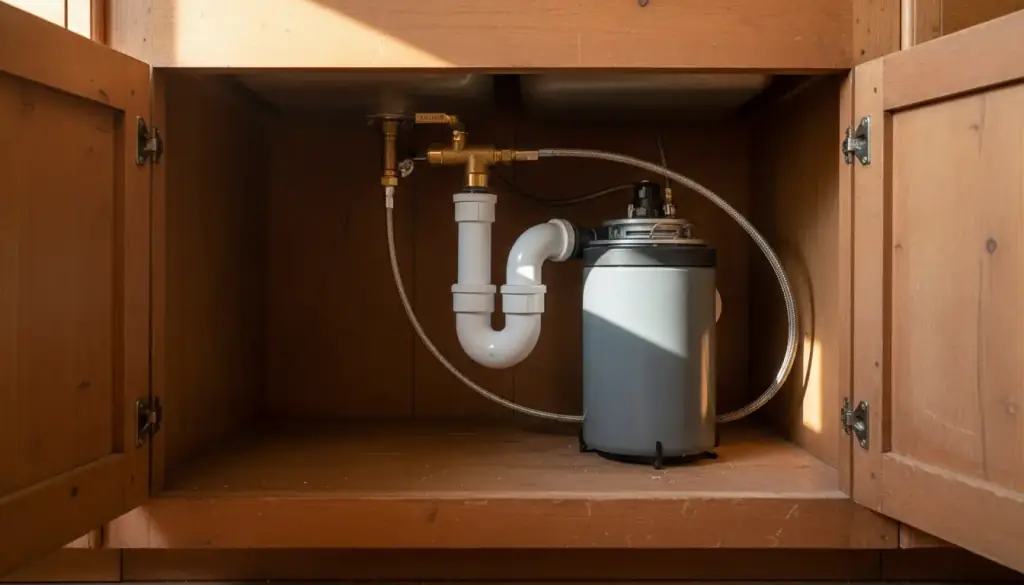
Do: always run water before, during, and after using the garbage disposal. Water carries food scraps down and through the trap instead of leaving them to settle in the pipe. Don't: never put coffee grounds, eggshells, or fibrous vegetables like celery into your garbage disposal. These items can clog the system and cause malfunctions. Grounds and shells pack into a paste, and celery strings wrap around the parts that are supposed to spin. If something hard or stringy goes down by accident, keep the water running and do not reach into the unit. A disposal is a drain with a motor on it, so it needs the same care you would give any drain, plus a little extra respect for the blades. Scrape plates into the trash first and let the disposal handle only what is small and soft.
Drains
Do: use a drain guard to catch debris and hair. This simple preventive measure can save you from potential clogs down the line. A guard costs very little compared with a service call, and it catches the thing that causes most bathroom slowdowns. Don't: avoid pouring grease or oil down the drain. These substances solidify as they cool, leading to stubborn blockages. Hot grease looks like liquid going down and turns to wax a few feet later. Pour it into a can, let it set, and put it in the trash. The same goes for the pan you just cooked bacon in. Wipe it with a paper towel before it goes in the sink, and the pipe under your kitchen will thank you for years.
Toilets
Do: limit flushing to toilet paper and human waste only. Toilet paper is designed to dissolve easily, reducing the chance of clogs. Don't: never flush paper towels, wipes, or feminine products. These items don't dissolve and can cause severe blockages. A package that says flushable is a marketing claim, not a plumbing one. The pipe leaving your house does not care what the label says, and neither does the city sewer line or a septic system. A blockage out there can back up into your lowest drain, which is rarely the one you want to find it in. Common things that should go in the trash instead:
- Paper towels and tissues that are thicker than toilet paper
- Wipes of any kind, including baby wipes and cleaning wipes
- Feminine products
- Cotton balls, dental floss and hair
Sump pumps
Do: regularly test your sump pump by pouring a bucket of water into the pit. The pump should start automatically and quickly drain the water. Do it before the wet season, and again after any long stretch when the pump has sat idle. A pump that only runs a few times a year is exactly the kind that fails when it is finally needed. Don't: don't ignore any strange noises or vibrations. These are often warning signs that something might be off, requiring immediate attention. Grinding, rattling or a motor that hums without pumping is not a sound to wait on. In irrigation season and during spring runoff, groundwater around a house can rise quickly, and a pit that was dry in August can fill by morning. A few minutes with a bucket is cheap insurance for a basement or crawlspace.
Baths and unused fixtures
Do: run water down drains at least once per month to help avoid foul odors. Every drain has a trap, a curve of pipe that holds a little water to block sewer gas. Don't: let spare bathroom sinks or bath and showers stand unused for long periods of time. The water in the trap slowly evaporates, and the smell comes back up through the drain. A guest bathroom in a house that is rarely full, a vacation home, or a basement shower are the usual culprits. Running the tap for a minute once a month fixes it.
None of these habits take more than a minute, and together they prevent a lot of the calls we get. If you have already got a slow drain, a noisy pump or a disposal that has quit, Central Mechanical Services can take a look. Call us at (509) 248-5944.
Central Mechanical Services, (509) 248-5944
Call (509) 248-5944More articles
Frozen Pipes in a Yakima or Kittitas Winter: The First Ten Minutes
Most frozen pipes can be dealt with safely in ten minutes, if you know what to do and what to leave alone.
Gas, Electric, Tankless or Heat Pump: Choosing a Water Heater
The right water heater depends on your house, your fuel and how your family actually uses hot water.