Gas, Electric, Tankless or Heat Pump: Choosing a Water Heater
The right water heater depends on your house, your fuel and how your family actually uses hot water.
October 7, 2026 · 3 min read
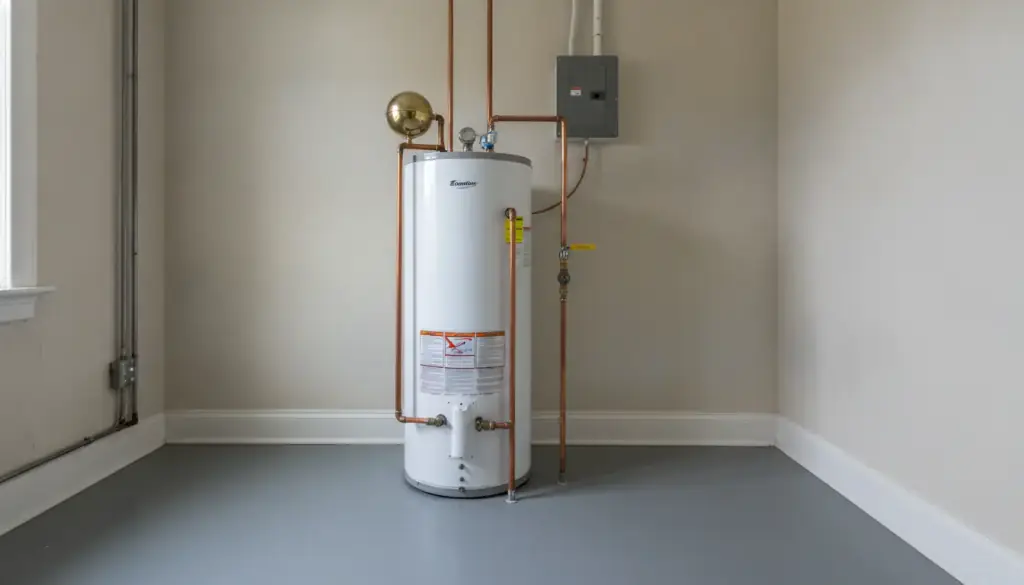
Nobody shops for a water heater on a good day. It is usually a cold morning, a puddle around the base of the tank, and a houseful of people who want a shower. That is the worst moment to learn the difference between four very different machines. If you have a few minutes now, or you are building, remodeling or replacing before something fails, this is how the main types compare, in plain terms.
Start with what you have
The easiest replacement is usually the same type you already own, because the fuel line, venting or wiring is already in place. Switching types can be a very good move, but it changes the work: a gas unit needs a gas line and a way to vent exhaust, an electric one needs enough electrical capacity at the panel, and a heat pump or tankless model has its own requirements. Walk over to your heater and note what it runs on, how big the tank is, and where it sits. A plumber will want to know all three, and so should you.
Gas
Central Mechanical Services describes gas this way: the gold standard in water heating, durable, powerful, and efficient. In practice, gas heaters recover quickly, so a family that runs the dishwasher, a load of laundry and two showers in the same hour tends to keep up. The tradeoffs are the gas line, the venting, and the fact that combustion appliances need a little more attention. If you have natural gas or propane already running to the house, a gas tank is a familiar and sensible choice.
Electric
Their description of electric: a versatile choice with easier installation and safer operation. There is no flame and no exhaust to vent, which is why electric models are so common in apartments, manufactured homes and houses without a gas line. They can be set in places a gas unit cannot, like a closet or a basement corner. The tradeoff is that a standard electric tank heats more slowly after you drain it, so a busy morning can run it dry.
Tankless, or on-demand
A tankless unit heats water as it passes through instead of keeping a tank hot all day. Central's line on it is: instant heat, endless possibilities, and great energy savings. Because there is no tank, you do not run out in the middle of a bath, and the unit takes up far less floor space. What people sometimes miss is that a tankless heater needs a lot of fuel or electricity at once, so the gas line or the electrical service may need work. It is also a bigger up-front decision than swapping one tank for another, so it pays to talk through the full picture before you commit.
Heat pump
Heat pump water heaters pull heat from the surrounding air instead of making it from scratch. Central's note: they are more efficient than regular electric models, and now standard for new construction. Ask us about our rebates! A heat pump unit likes a space with some room around it and a bit of air to draw on, and it will cool that space slightly as it works, which can be a bonus in a garage or a mechanical room and a nuisance in a tight closet. If you are building in Ellensburg or Selah, this is a type to ask about early.
Questions worth asking before you decide
- What fuel do I already have at the house, and where would a new line or circuit have to run?
- How many people use hot water at the same time on a typical morning?
- Is there room for the unit, and room for air around it if it is a heat pump?
- Where would the water go if the heater leaked, and is there a drain or a pan under it?
- Is the old tank showing rust at the base, wet fittings, or a puddle that keeps coming back?
- Are there rebates I can use for the type I am considering?
Whichever type you land on, the installation matters as much as the machine. Shutoff valves, supply connections, an expansion tank where one is needed, and a safe drain path for the relief valve are the quiet details that keep a heater from becoming a flooding problem. Central Mechanical Services installs gas, electric, tankless and heat pump water heaters, with a one year labor and product warranty on the work. Call (509) 248-5944 and we will talk through which type fits your house.
Central Mechanical Services, (509) 248-5944
Call (509) 248-5944More articles
Frozen Pipes in a Yakima or Kittitas Winter: The First Ten Minutes
Most frozen pipes can be dealt with safely in ten minutes, if you know what to do and what to leave alone.
Living With Steam or Hot-Water Radiators in an Older House
Radiator heat is quiet, gentle and long-lived when you understand it, and a little confusing when you do not.