Living With Steam or Hot-Water Radiators in an Older House
Radiator heat is quiet, gentle and long-lived when you understand it, and a little confusing when you do not.
October 7, 2026 · 3 min read
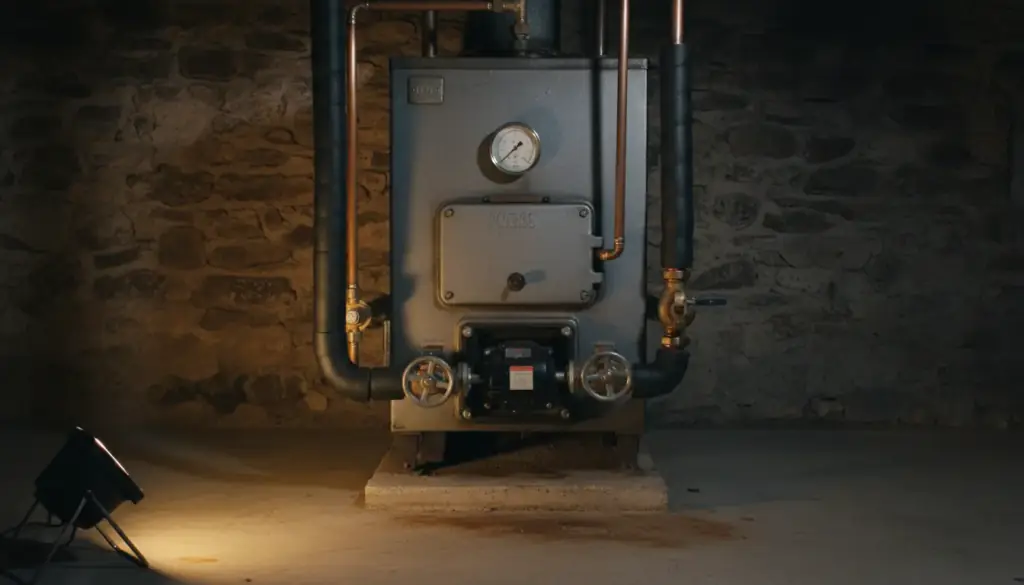
If you bought one of the older houses in downtown Yakima, Ellensburg or Roslyn, there is a good chance you also bought a boiler and a set of cast-iron radiators. They heat a house in a way a forced-air furnace cannot: steady, even and silent when everything is working. They also come with their own vocabulary, and a few habits that save a lot of cold mornings. This is a homeowner's guide to the basics, written by people who work on these systems.
First, which system do you have?
Older houses usually have one of two kinds. A steam system boils water in the boiler and sends steam up pipes to the radiators, where it condenses and runs back down. A hot-water system, also called hydronic, circulates heated water through the radiators with a pump. You can often tell by looking at the radiators. A steam radiator typically has a small air vent on the side, near the far end, and one big valve at the supply. A hot-water radiator tends to have a small bleed valve at the top corner. Your boiler's gauge helps too, and a plumber can confirm in a minute.
Hot-water radiators: bleeding out trapped air
When a hot-water radiator is warm at the bottom and cool at the top, or one room stays chilly while the rest of the house is fine, air is probably trapped inside. Bleeding lets it out. This is the safe way to do it:
- Let the system cool down and make sure the circulating pump is not running.
- Hold a cup or a rag under the bleed valve and open it slowly with the proper key or a small flat screwdriver.
- Listen for hissing. When water starts to come out in a steady stream, close the valve.
- Check the boiler pressure gauge afterward. If it has dropped below the range your plumber marked for your system, the boiler needs water added, and that is a good moment to call if you have not done it before.
Steam radiators: vents, not bleeders
Steam radiators are different, and the mistake people make is treating them like hot-water ones. They are not bled. They have a small vent that lets air out so steam can fill the radiator, and those vents wear out. A vent that spits water, hisses constantly or lets one radiator stay cold while its neighbor roasts is usually a replacement job. Also leave the main valve alone: on a one-pipe steam radiator, the valve should be fully open or fully closed, never halfway, because a half-open valve traps water and starts the banging. And a radiator that does not slope slightly back toward the pipe can hold water, which leads to the next problem.
What the noises mean
- Banging or hammering in steam pipes: usually water pooled in a low spot, or a radiator that has shifted out of pitch.
- Hissing at a vent: normal when steam is arriving, a problem if it never stops.
- Gurgling or trickling in hot-water radiators: air in the line, often cured by bleeding.
- Knocking or rumbling at the boiler itself: scale or sediment, or low water. Have it looked at.
- Clicking and ticking as pipes warm: normal expansion in old iron and copper.
When the boiler needs a visit
Boilers give warnings before they quit. Call a plumber if you see water around the base, rust-colored water at a drain or a sight glass, a pressure gauge that swings or sits well outside its normal range, a boiler that switches on and off in short bursts, a pilot or burner that goes out, or a smell you cannot place. Skipping a yearly service is the usual reason a small problem shows up in January as a big one. A technician can check the controls, look over the piping and valves, and catch a slow leak or a failing part while the weather is still mild, which is a much better time to find out than the coldest week of the winter. Central Mechanical Services puts it simply: keep warm and worry-free with our boiler servicing.
An older heating system is not a problem to be replaced. Often it is the best thing about the house, as long as someone who understands steam and hydronic heat looks after it. Central has worked in this valley since 1909, and the radiators in a lot of the homes we serve are older than any of us. If yours is cold, loud or leaking, call (509) 248-5944.
Central Mechanical Services, (509) 248-5944
Call (509) 248-5944More articles
Frozen Pipes in a Yakima or Kittitas Winter: The First Ten Minutes
Most frozen pipes can be dealt with safely in ten minutes, if you know what to do and what to leave alone.
Gas, Electric, Tankless or Heat Pump: Choosing a Water Heater
The right water heater depends on your house, your fuel and how your family actually uses hot water.